Objectives
- This study presents the initial clinical experience using Rhenium-188 (188Re) skin cancer therapy (SCT) with a specialized applicator system (Oncobeta) for treating recurrent keloids.
- It demonstrates the feasibility and effectiveness of 188Re SCT as an alternative treatment for keloids that have failed other therapies.
- The treatment achieved a complete response in 72% of lesions, with a 7% recurrence rate after a median follow-up of 37 months.
Methodology
- The study utilized a specialized applicator system (Rhenium SCT - Oncobeta) to apply a topical 188Re gel matrix to keloid lesions.
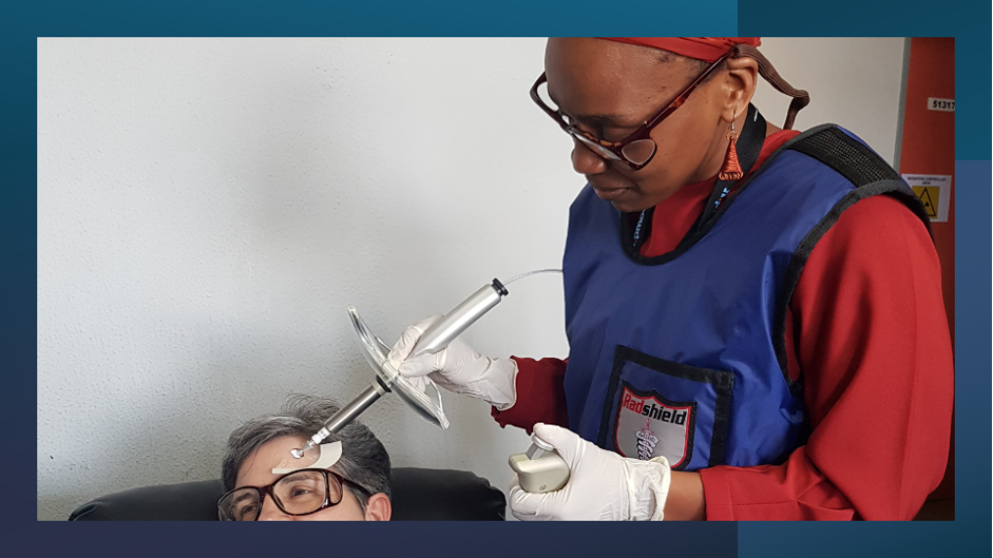
- A personalized treatment time was calculated for each patient using the VARSKIN 5 software system, aiming to deliver 30 Gy to the deepest part of the lesion (up to 3 mm).
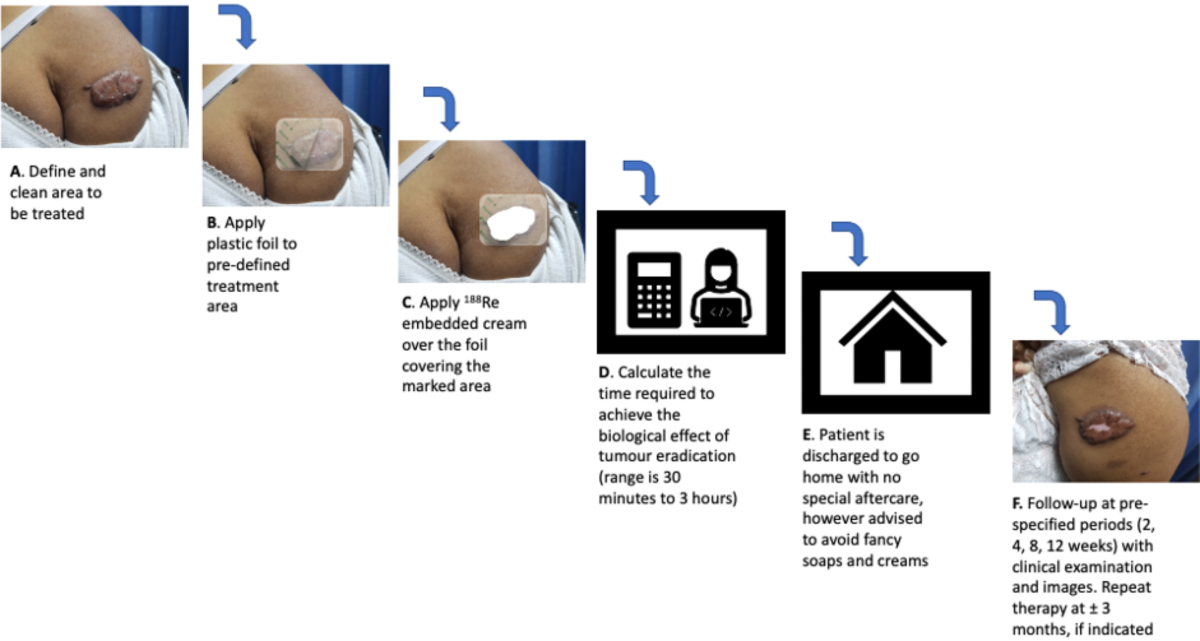
- The treatment involved a single session of 188Re application, with the exception of four patients who received two sessions.
Results
- A total of 59 lesions in 29 patients were treated.
- The mean treated area was 4.65 cm² (range: 0.25–46.25 cm²).
- The mean administered activity was 256.7 MBq (range: 35–663.50 MBq).
- The average treatment time was 350.89 minutes (range: 85–1304 minutes).
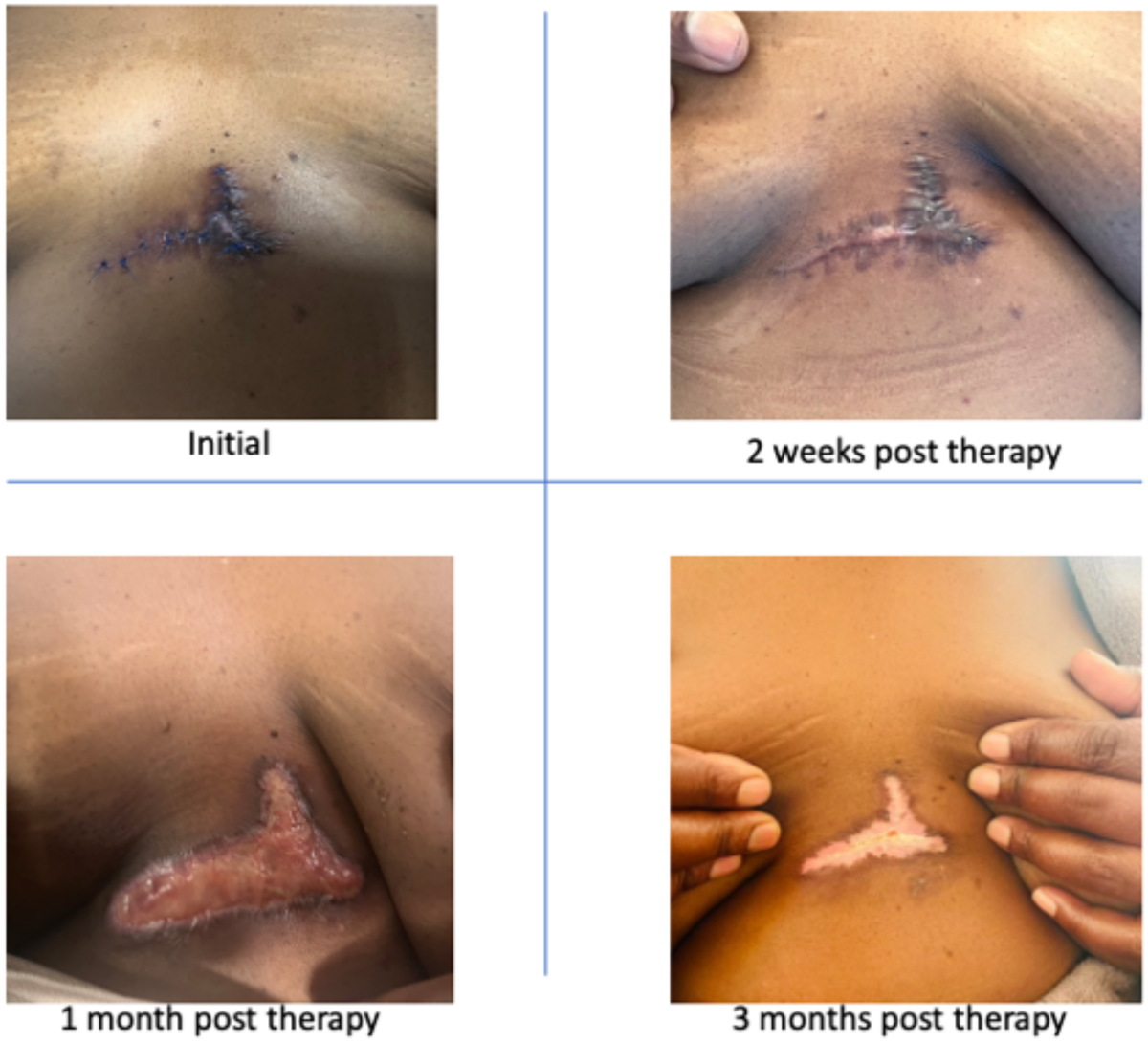
- Complete response was observed in 72% (43/59) of lesions.
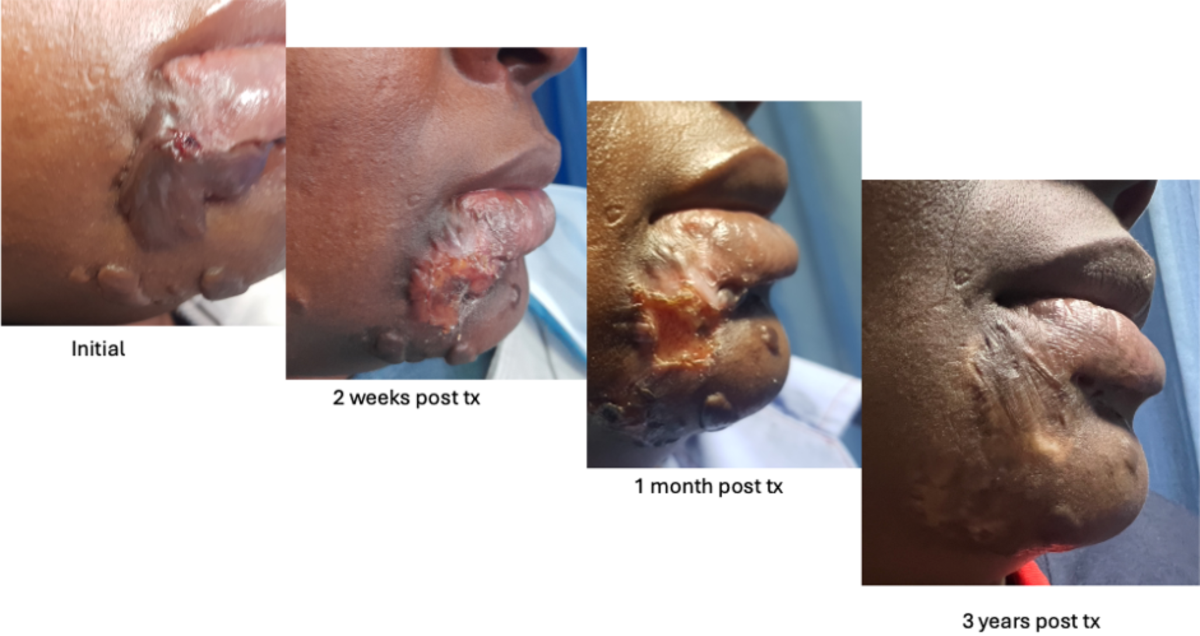
- Partial response was observed in 10% (6/59) of lesions.
- Progression was observed in 7% (4/59) of lesions.
- Stable disease was observed in 10% (6/59) of lesions.
- The recurrence rate was 7% after a median follow-up of 37 months (range: 11-59 months).
Discussions
- The study demonstrates promising results for 188Re SCT in treating recurrent keloids, but the sample size is relatively small (29 patients, 59 lesions).
- The follow-up period is variable (11-59 months), and while the median is 37 months, a longer, more uniform follow-up would strengthen the assessment of long-term efficacy and recurrence rates.
- The study lacks a direct comparison group (e.g., patients receiving standard treatments like surgery or intralesional steroids). This makes it difficult to definitively conclude that 188Re SCT is superior to existing therapies.
- While the study mentions hypopigmentation as a common side effect, a more detailed analysis of the severity and duration of side effects, including other potential complications, would be beneficial.
- The study could benefit from incorporating standardized quality-of-life questionnaires to assess the impact of treatment on patients' subjective well-being.
Comments
Join the discussionNo comments yet. Be the first to comment.