Objectives
- Identified leptomeningeal melanocytes as the primary target structure for [18F]PI-2620 PET binding in the anterior vermis.
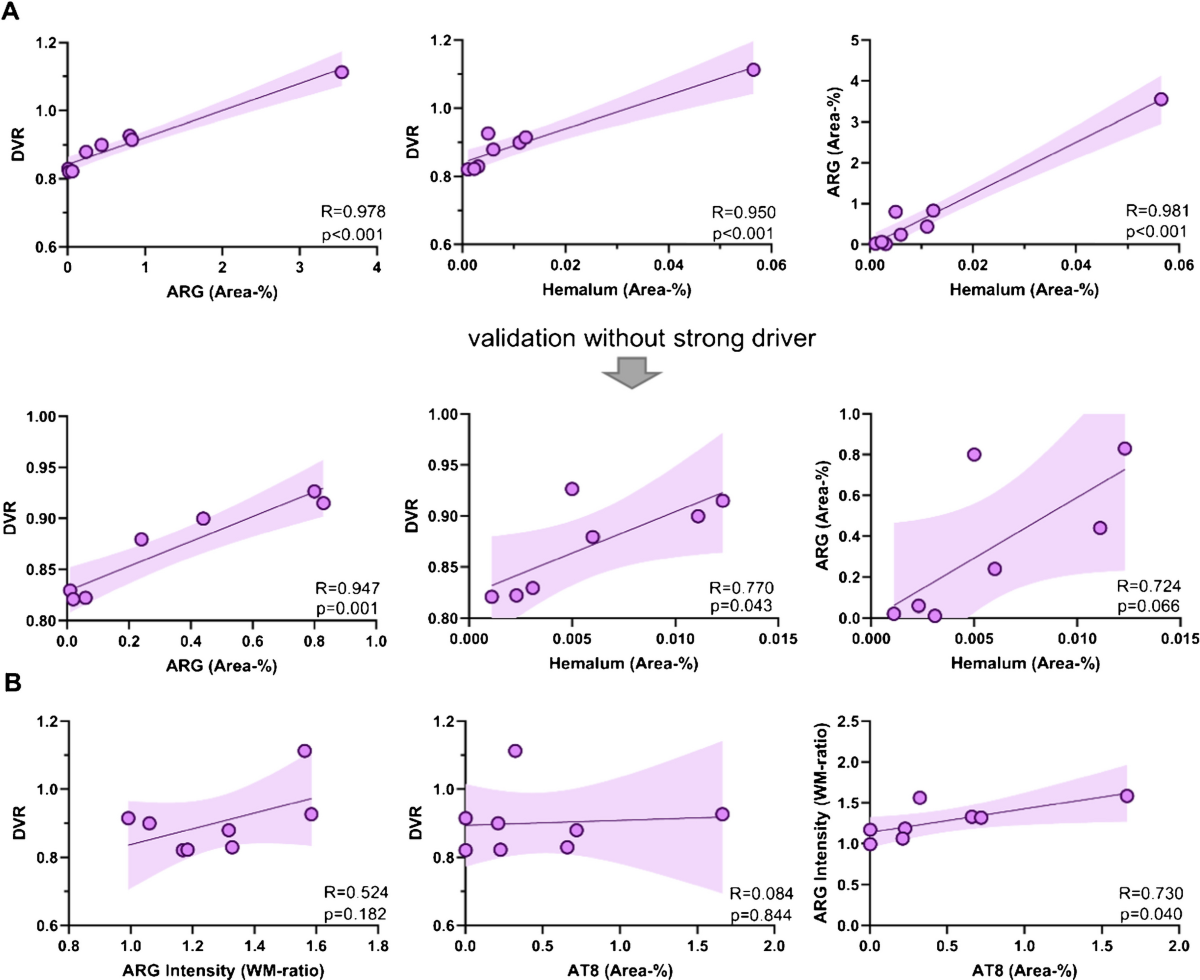
- Demonstrated that tau accumulation and iron deposits do not significantly contribute to vermal [18F]PI-2620 binding.
- Observed higher vermal [18F]PI-2620 uptake in male participants compared to females.
Methodology
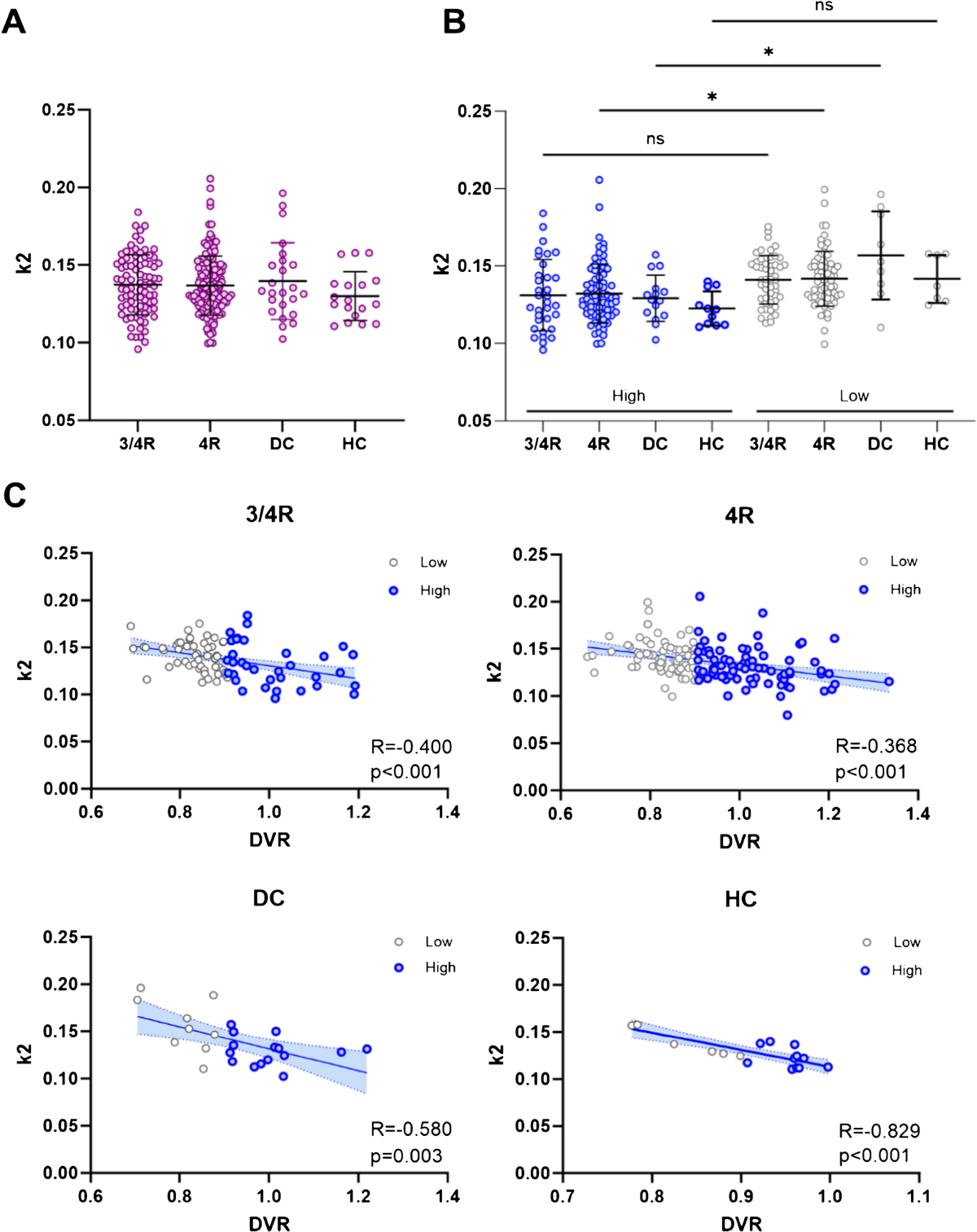
- Compared Standardized uptake value ratio (SUVR) and kinetic parameters (distribution volume ratio (DVR), tracer clearance (k2), and relative perfusion (R1)) among cohorts and sexes using the Automated Anatomical Labelling (AAL) atlas.
- Assessed the relationship between age, p-Tau levels in cerebrospinal fluid (CSF), and vermal tau-PET signal.
- Combined autoradiographic and histochemical experiments on post-mortem brain tissue.
- Used Student's t-test, ANOVA, Pearson's correlation, and multiple linear regression for statistical analyses.
Results
- Male participants showed higher mean vermal [18F]PI-2620 DVR (0.95±0.13) compared to females (0.88±0.10, p<0.0001).
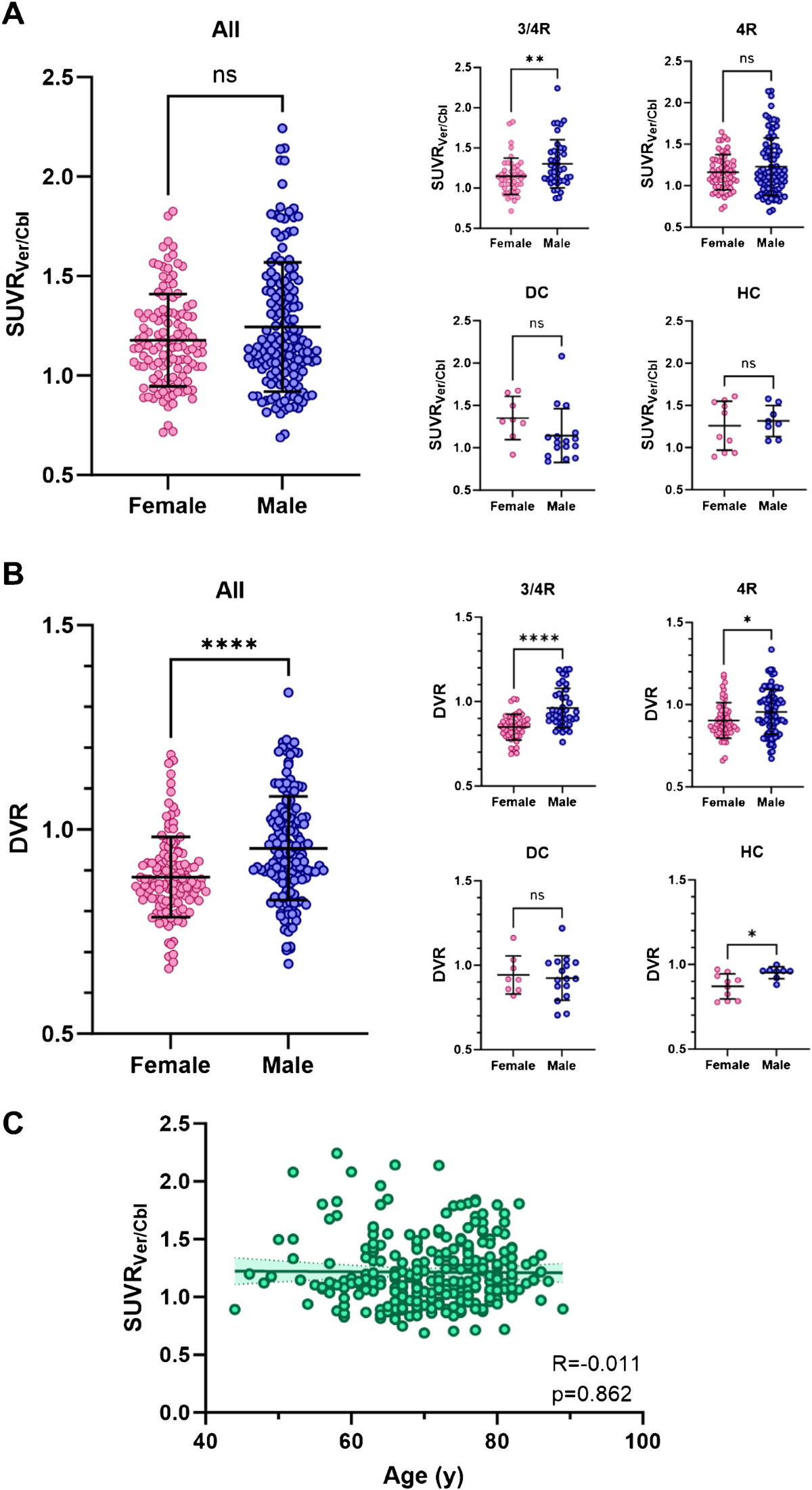
- Sex-related differences were most pronounced in the 3/4R-tauopathy cohort (p<0.0001).
- Histological assessments revealed co-localization of leptomeningeal pigmented cells with strong autoradiography signal spots within the vermal fissures.
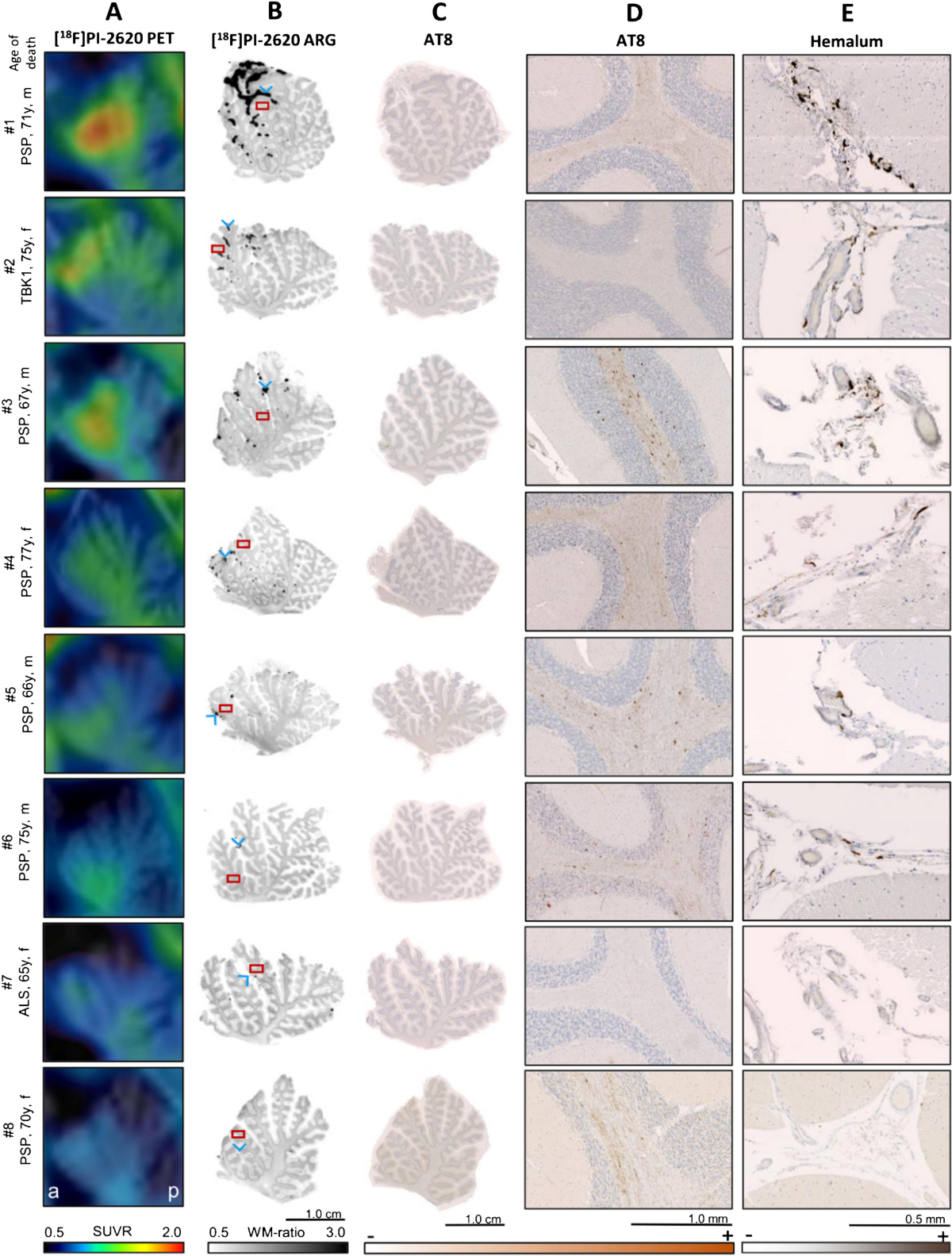
- No significant correlation was found between tau-related autoradiography signals, age, or p-Tau levels and tau-PET signals.
- Quantitative analysis showed a strong association between autoradiographic [18F]PI-2620 binding in the leptomeninges and the in vivo PET signal (DVR: R=0.978, p<0.001; SUVRVer/Cbl: R=0.831, p=0.011).
Discussions
- The study's generalizability is limited by the relatively small number of autopsy cases and healthy controls with tau-PET imaging.
- The cross-sectional nature of the study does not allow for investigation of individual vermal signal progression.
- The absence of tissue samples from patients with clinically diagnosed AD limits insights into sex-related differences in vermal off-target binding in this population.
- The study could benefit from exploring the potential influence of sex hormones or iron deposits on the observed sex differences in vermal [18F]PI-2620 binding.
Reference: Exploring the origins of frequent tau PET signal in vermal and adjacent regions
Comments
Join the discussionNo comments yet. Be the first to comment.