Objectives
This study evaluates the overall survival (OS) and prognostic factors for neuroendocrine tumor (NET) patients treated with [177Lu]Lu-DOTATOC peptide receptor radionuclide therapy (PRRT). Core contributions include:
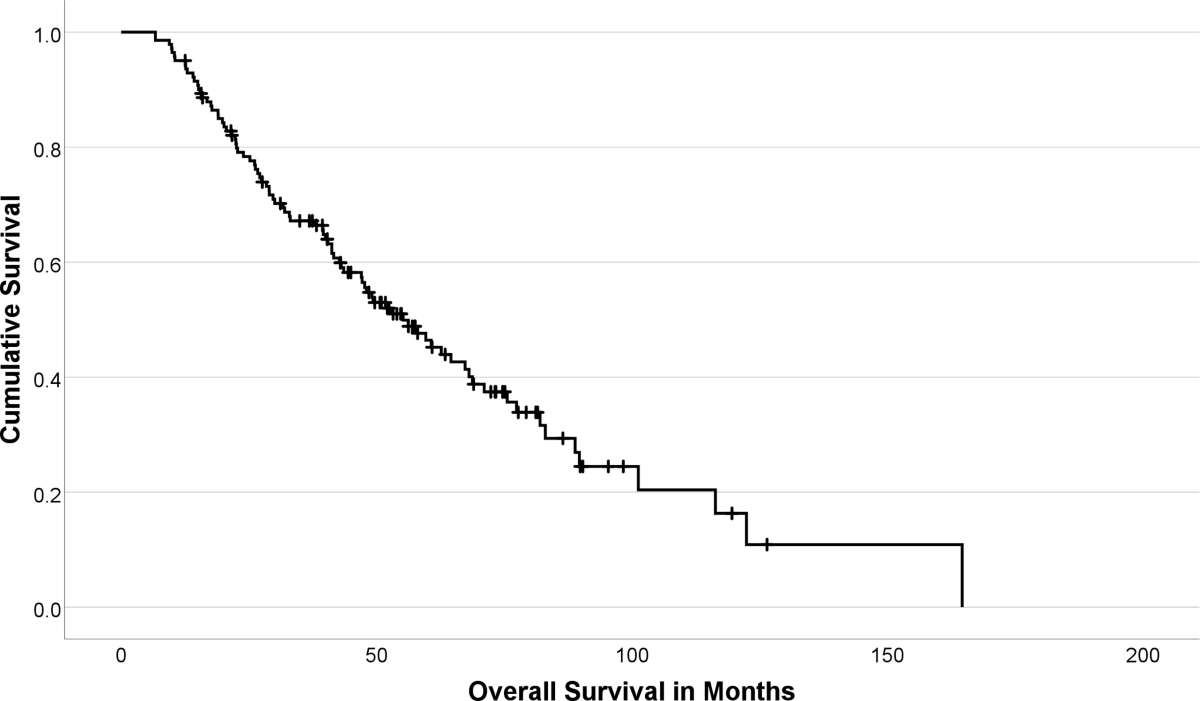
- Reporting a median OS of 55.2 months in a cohort of 141 NET patients receiving [177Lu]Lu-DOTATOC PRRT, suggesting its effectiveness as a treatment option.
- Identifying baseline De Ritis Ratio, Alkaline Phosphatase (ALP), Chromogranin A (CgA), and prior therapy with mTOR-inhibitors as independent prognostic factors for OS.
- Identifying primary tumor location (Lung-NET) and baseline CgA as independent prognostic factors for a higher risk of primary progression according to RECIST 1.1 criteria.
- Highlighting that [177Lu]Lu-DOTATOC production generates minimal metastable lutetium ([177mLu]), simplifying waste disposal compared to [177Lu]Lu-DOTATATE.
Methodology
This was a monocentric, retrospective analysis of 141 patients with histologically proven, metastasized NET expressing somatostatin receptors (SSR), who received PRRT with [177Lu]Lu-DOTATOC between 2007 and 2021.
- Treatment involved a median of 3 cycles of [177Lu]Lu-DOTATOC (scheduled dose 7.40 GBq/cycle).
- Endpoints included Overall Survival (OS), defined as time from first PRRT cycle to death from any cause, and radiological response assessed by RECIST 1.1 criteria (Overall Response Rate - ORR, Disease Control Rate - DCR, primary progression) within 6 months after the last cycle.
- Statistical analysis employed:
- Kaplan-Meier method for OS estimation.
- Univariable and multivariable Cox proportional hazards regression to identify prognostic factors for OS.
- Univariable and multivariable logistic regression to identify prognostic factors for primary progression.
- Baseline biomarkers evaluated included De Ritis Ratio (AST/ALT), Chromogranin A (CgA, binarized at >204 µg/L), and Alkaline Phosphatase (ALP, binarized at >Upper Limit of Normal - ULN).
Results
The study provides substantial data supporting its claims:
- The median OS for the total cohort (n=141) was 55.2 months (IQR: 27.1–89.7 months). Subgroup OS: SI-NET G1-G2: 62.7 months; P-NET G1-G2: 41.2 months; NET G3: 26.3 months.
- Multivariable Cox regression identified significant independent prognostic factors for shorter OS: De Ritis Ratio (HR: 2.98; p<0.001), ALP > ULN (HR: 2.72; p<0.001) 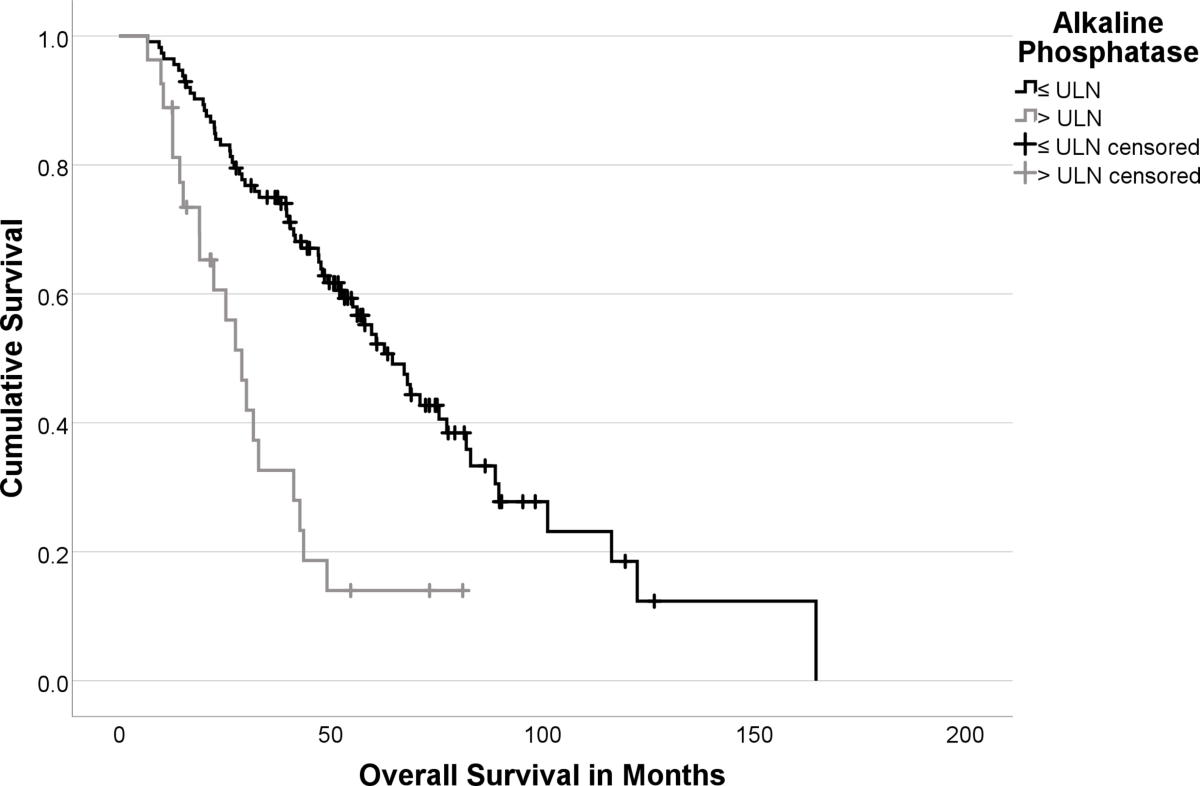, CgA > 204 µg/L (HR: 4.96; p<0.001), and prior mTOR-inhibitor therapy (HR: 2.04; p=0.026).
- Radiological response (n=123): ORR was 12% (11% PR, 1% CR), DCR was 72% (ORR + 60% SD). Primary progression (PD) occurred in 29% of patients.
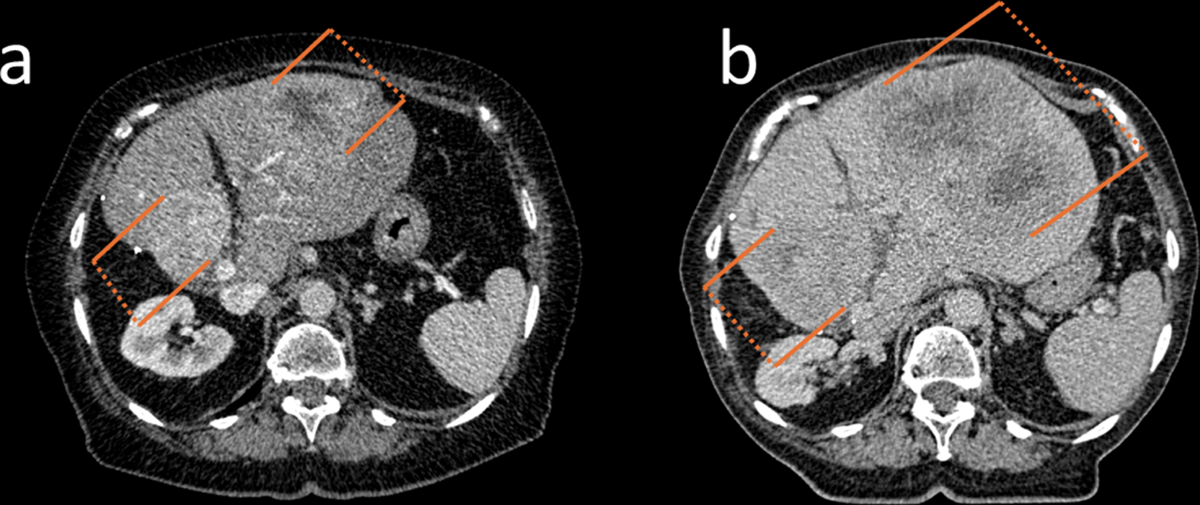
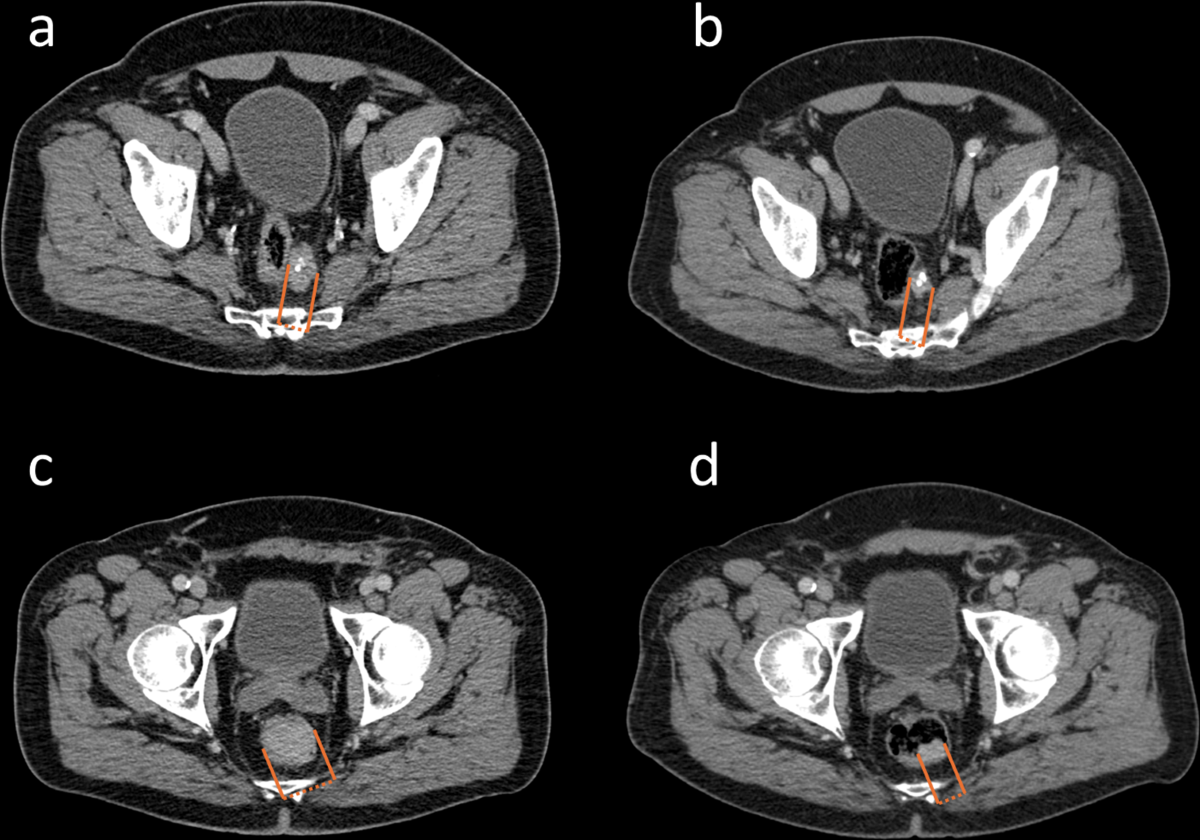
- Multivariable logistic regression identified significant independent prognostic factors for higher risk of primary progression: Lung-NET vs GI-NET (OR: 4.86; p=0.04) and CgA > 204 µg/L (OR: 4.07; p=0.01).
Discussions
The study provides valuable real-world data on [177Lu]Lu-DOTATOC PRRT outcomes. However, several limitations should be considered:
- The retrospective design introduces potential biases (selection, information). The long inclusion period (2007-2021) spans significant evolution in NET diagnostics (SSR-scintigraphy vs. more sensitive SSR-PET/CT) and potentially therapies, possibly affecting cohort homogeneity and comparability over time, despite consistent Krenning score criteria.
- Heterogeneity in imaging modalities (CT vs. MRI) and follow-up schedules for response assessment could impact the consistency of RECIST 1.1 evaluation.
- The absence of a control group prevents assessment of the identified factors' predictive capability versus purely prognostic significance.
- Variable numbers of PRRT cycles (median 3, range 1-6) due to discontinuation upon PD in interim staging might complicate comparisons with studies using fixed cycle numbers.
- Lack of documented follow-up treatment data after PRRT completion introduces a potential confounding bias on OS.
- A prospective study with standardized imaging protocols, follow-up schedules, and ideally a comparator arm (e.g., [177Lu]Lu-DOTATATE or other standard care) would strengthen the conclusions regarding efficacy and prognostic/predictive factor validation.
Comments
Join the discussionNo comments yet. Be the first to comment.